24/7 Emergency Response for Thawing & Burst Pipe Repairs
Subfreezing temperatures during Illinois winters pose a severe threat to residential and commercial plumbing systems. When water trapped inside an exposed pipe freezes, it expands by approximately 9%. This expansion creates intense pressure—exceeding 3,000 PSI—between the ice blockage and closed faucets, frequently causing pipes to split, crack, or completely burst. A single burst pipe can release up to 10 gallons of water per minute, leading to catastrophic indoor flooding and structural damage within hours.
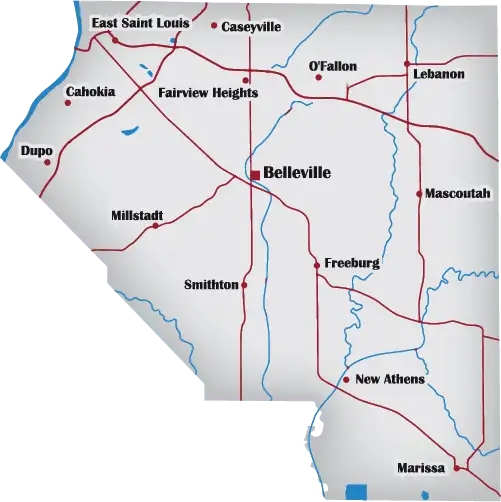
A Davinroy Plumbing and Mechanical provides rapid 24/7 emergency frozen pipe thawing, burst pipe repair, and winterization services for homeowners and business owners across Belleville, IL, and surrounding Metro East communities. Our licensed plumbers utilize specialized line-thawing equipment and pipe repair tools to restore water flow safely and prevent costly water damage.
Warning Signs Your Pipes Are Frozen
Detecting frozen lines early allows you to address the blockage before the pipe ruptures under pressure. Watch for these key indicators during freezing winter snaps:
- No Water or Weak Trickle: Turning on a kitchen or bathroom faucet results in only a slight trickle or no water flow at all.
- Frost or Condensation on Exposed Pipes: Visible frost accumulation, heavy condensation, or localized bulging on exposed basement, crawlspace, or outdoor supply lines.
- Unusual Pipe Noises: Whistling, banging, clanking, or bubbling sounds coming from plumbing lines when fixtures or toilets are operated.
- Unpleasant Odors: Sewer gas or foul smells backing up from drains because ice blockages prevent normal venting.
- Damp Drywall or Ceiling Stains: Water rings or soft drywall spots indicating an ice blockage has already cracked a pipe behind a wall.
Most Vulnerable Pipe Locations
Pipes running through unheated or poorly insulated zones face the highest risk of freezing when temperatures drop below 20°F:
- Outdoor Hose Spigots & Sillcocks: Exterior spigots connected to uninsulated water supply lines.
- Unheated Basements & Crawlspaces: Unprotected water lines routed through open foundation areas or drafty subfloors.
- Attics & Exterior Walls: Plumbing lines running along outer wall cavities or unconditioned attic spaces.
- Garage Plumbing Lines: Exposed supply pipes routed near drafty overhead garage doors.
What to Do Immediately If You Suspect a Frozen or Burst Pipe
If your pipes freeze or burst, quick action minimizes water damage and reduces emergency repair costs:
- Shut Off Main Water Supply: Immediately close your home’s main water shut-off valve to stop incoming pressure and prevent flooding when the ice thaws.
- Open Faucets: Turn on sink faucets connected to the frozen line to relieve internal pressure buildup and provide an escape route for meltwater.
- Avoid Open Flames: Never use blowtorches, propane heaters, or open flames to thaw a pipe. Sudden direct heat causes thermal shock that cracks metal or plastic pipes and creates extreme fire hazards.
- Call Emergency Plumbing: Contact A Davinroy Plumbing & Mechanical at (618) 980-3712 immediately for safe, controlled line thawing.